

Jenn-Air Dishwasher Does Not Dispense Rinse Aid — Possible Dispenser Assembly or Control Board Problems
A Jenn-Air dishwasher that leaves rinse aid sitting in the dispenser after a cycle is usually dealing with a problem in the dispensing system. Rinse aid helps water slide off dishes more easily, reduces water spots, and improves drying. When the dishwasher stops releasing it, glasses may come out cloudy or covered with droplets, and plastic items can remain noticeably wet.
The problem may be caused by the dispenser assembly itself, a mechanical issue inside the dispenser, wiring, or, in some cases, an electronic control problem. Understanding the possible causes can help determine whether the dishwasher needs a simple service or a more involved repair.
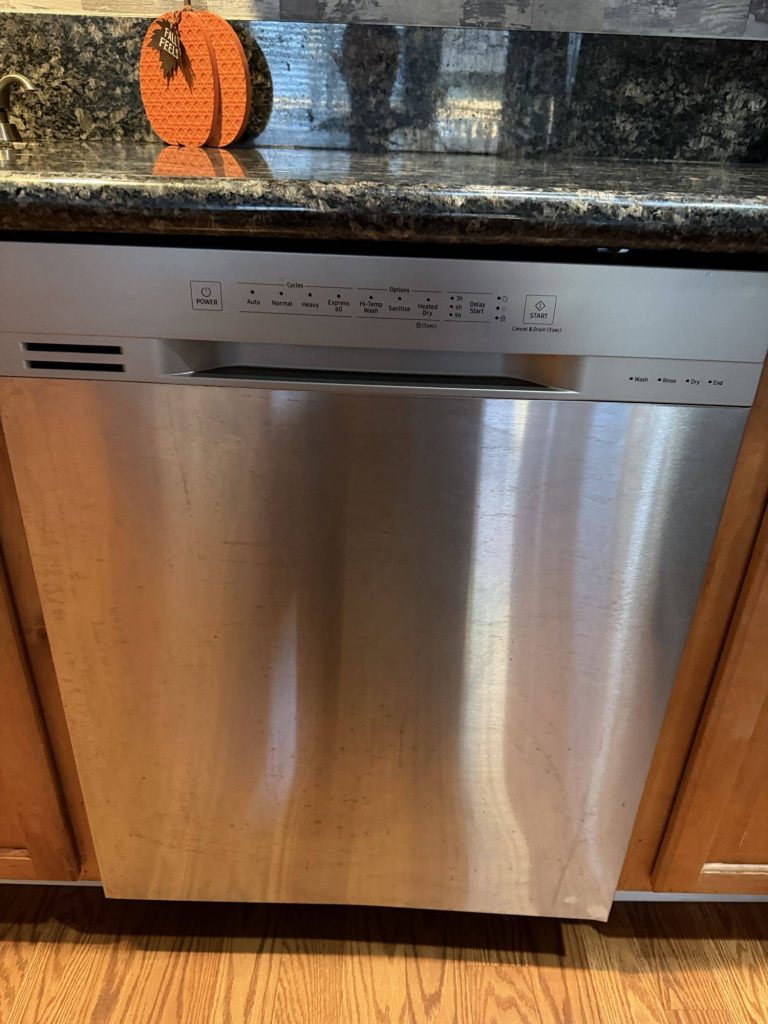
How the Rinse Aid Dispenser Works
The rinse aid dispenser is usually located on the inside of the dishwasher door, next to the detergent compartment. During the appropriate part of the wash cycle, the dispenser opens or activates a mechanism that allows a measured amount of rinse aid to enter the tub.
Depending on the Jenn-Air dishwasher model, the dispenser can use a spring-loaded mechanism, a small actuator, or an electronically controlled release system. The dishwasher control determines when the rinse aid should be dispensed.
If the dispenser does not open or the release mechanism fails, the rinse aid remains in the reservoir. You may notice that the level barely changes even after several completed cycles.
A Blocked or Damaged Dispenser Assembly
One of the most common areas to inspect is the dispenser assembly. Rinse aid can leave residue around the dispenser opening, especially when the appliance has been used for a long time or the product has dried around the mechanism.
A sticky or obstructed dispenser may prevent the internal valve or release mechanism from moving correctly. Physical damage can also occur if the dispenser door, spring, latch, or other internal components wear out.
Cleaning the visible area around the dispenser can sometimes help if residue is causing the mechanism to stick. However, if the internal components are damaged, cleaning alone will not restore normal operation.
A technician can inspect the dispenser assembly and determine whether a component needs to be cleaned, repaired, or replaced.
The Dispenser Door May Not Open Correctly
The dispenser door needs to move freely so that rinse aid can be released at the proper point in the cycle. If the door is stuck, warped, cracked, or mechanically damaged, the dishwasher may complete the cycle without dispensing the product.
Check whether there is visible buildup around the door or whether the mechanism appears damaged. Avoid forcing the dispenser open or attempting to disassemble it while the dishwasher is connected to power.
If the door does not move as designed, replacing the appropriate dispenser component may be necessary.
Rinse Aid Settings Can Also Cause Confusion
Before assuming that a component has failed, it is worth checking the dishwasher’s rinse aid setting. Some Jenn-Air models allow the user to adjust the amount of rinse aid released during each cycle.
If the setting is too low, the dishwasher may dispense only a small amount. This can make it appear as though the dispenser is not working, particularly if the rinse aid reservoir takes many cycles to noticeably decrease.
The exact settings and adjustment procedure vary by model, so the owner’s manual should be used when checking this feature.
Possible Control Board Problems
If the dispenser assembly appears to be mechanically intact, the electronic control system may need to be investigated.
The control board coordinates different dishwasher functions, including when certain components should operate during a cycle. If the board does not send the appropriate signal to the dispenser mechanism, the rinse aid may never be released.
Control-related problems can be more difficult to diagnose because other dishwasher functions may continue to work normally. A dishwasher can wash, drain, and heat water while still having an electrical problem affecting one specific function.
A technician can test the relevant wiring, connections, and dispenser components before determining whether the control board is actually responsible. Replacing a control board without proper testing can result in an unnecessary repair.
Wiring and Electrical Connections
A failed connection can produce symptoms similar to a defective dispenser or control board. Wiring between the control system and dispenser can become damaged, loose, or corroded.
This is particularly important when the dishwasher has recently undergone another repair, experienced moisture-related problems, or developed several electrical symptoms at the same time.
Because electrical testing involves energized components and access to internal dishwasher parts, it is safer to have this inspection performed by a qualified appliance technician.
Signs You May Need Professional Repair
Several symptoms can indicate that the rinse aid system requires service:
- The rinse aid reservoir remains full after multiple cycles.
- The dispenser door does not open correctly.
- The dishwasher produces more water spots than usual.
- Glasses come out wet or cloudy.
- The dispenser appears damaged or stuck.
- Adjusting the rinse aid setting does not change the problem.
- Other dishwasher functions are also behaving unusually.
The exact cause cannot always be identified from the symptom alone. A proper diagnosis should determine whether the issue is with the dispenser assembly, wiring, control system, or another component.
Why Prompt Repair Can Help
A rinse aid dispenser problem may not prevent the dishwasher from completing a cycle, so it can be tempting to ignore it. However, continued operation without proper rinse aid dispensing can affect drying performance and leave dishes with more spots and residue.
More importantly, if the underlying problem involves an electrical component, wiring, or control board, professional diagnosis can identify the fault before additional components are affected.
If your Jenn-Air dishwasher is not dispensing rinse aid, contact an appliance repair professional for inspection and service. A technician can test the dispenser assembly, electrical connections, and control system to determine the actual cause and recommend the appropriate repair.
Need help with a Jenn-Air dishwasher that does not dispense rinse aid? Contact your local appliance repair service to schedule a diagnostic visit and get the dispenser system checked.